
NMC Board Approves Balanced Budget, Tuition Increase
By Craig Manning | June 24, 2026
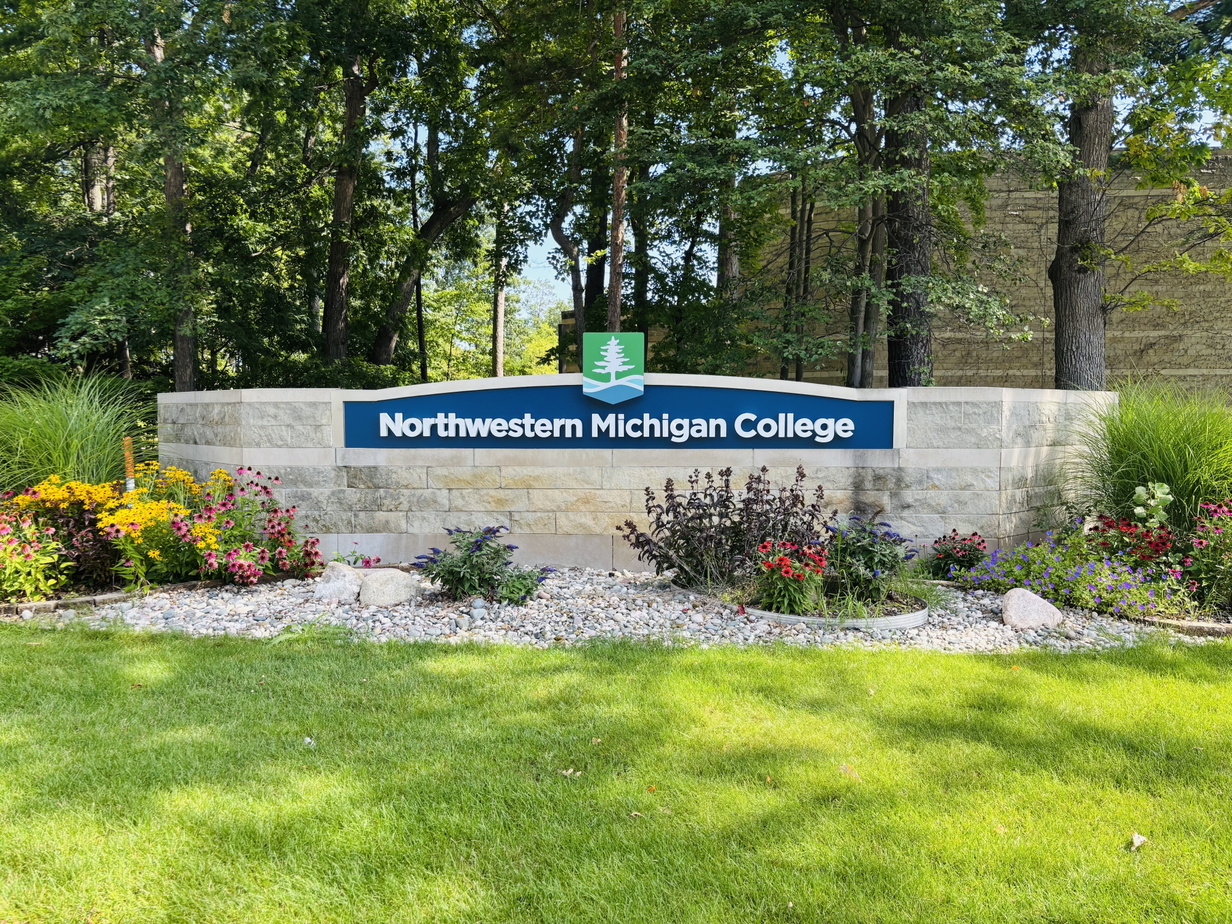
Northwestern Michigan College (NMC) has an approved, balanced budget in place for the 2027 fiscal year, following Monday’s Board of Trustees meeting. The new $60.4 million operating budget will kick into effect when the college’s new fiscal year starts on July 1. The budget plan includes a 3.8 percent tuition increase for in-district NMC students, as well as bigger increases for out-of-district students.
The budget was the main topic of conversation at last month’s Board of Trustees meeting. There, VP of Finance and Administration Troy Kierczynski highlighted numerous budgeting challenges facing the college, including millage rollbacks, rampant inflation, stagnant funding at the state level, and demographic forecasts pointing to “20 percent decline or so in Michigan high school graduates” in the next 15 years. To counter those headwinds, Kierczynski urged the NMC board to consider “maxing out” its tuition increase capability with a 4 percent hike for both in-district and out-of-district students.
Under Michigan’s “tuition restraint” laws, which restrict how much public colleges and universities can increase undergraduate tuition and fees each year, 4 percent is the maximum-allowed annual increase. Earlier budget drafts for NMC's forthcoming fiscal year called for a 3 percent across-the-board tuition hike, and projected $60.25 million in revenues. Kierczynski encouraged the board to consider a bigger tuition increase to give NMC more financial freedom if/when other funding sources dry up.
“I am concerned about, looking forward, only being able to increase 3 percent if we’re needing something more than that,” Kierczynski explained. “I think there is a good theory out there to say that you should look at maxing out the tuition restraint each year... But I also understand that there’s a difficult perception with that.”
The final budget splits the difference, with tuition increases that stray toward 4 percent without quite getting there. In-district students (those residing in Grand Traverse County) will pay $136 per credit hour, up 3.82 percent from $131 last year. Other categories of students will see bigger increases, including out-of-district students ($291 per credit hour, up 3.93 percent from last year), out-of-state students ($378, up 3.85 percent), and international students ($426, up 3.9 percent).
Also increasing is NMC’s general fee, “which helps offset costs of providing student services, technology, and facilities,” according to a press release. That rate will increase $1.50 per contact hour, from $35.25 to $36.75 per contact hour.
The college projects that “the average in-district student taking 30 contact hours in a two-semester academic year will see an increase of $195” in school spending in the new fiscal year, including $150 in tuition and $45 in fees.
Unchanged is the dual enrollment tuition rate for local high school students, which remains $136 per contact hour for in-district students and $160 per contact hour for out-of-district students. The way dual enrollment works, school districts pick up the tab for those contact hours, not the students or their families.
“This budget reflects a disciplined approach that keeps tuition increases modest, supports student success and positions the college to serve learners and employers for generations to come,” NMC President Nick Nissley said of the new spending plan.
NMC’s operating budget draws from multiple sources, including tuition (49 percent), local property taxes (27 percent), and state aid (19 percent).
Comment

Commissioners Review Upcoming Projects, Press Treasurer
Read More >>Grand Traverse County Commissioner Arraigned on Drunk Driving Charge
Read More >>City Commission Approves Prowling/Trespassing Laws, Attainable Housing District
Read More >>Officials Work to Improve Boardman River Health – But Face Constraints
Read More >>



City Eyes Major Boardman/Washington/Cass/State Project
Read More >>Annual TC Patriot Game Set for Friday at Thirlby Field
Read More >>NMC Lands $630,000 Grant from the State
Read More >>Prowling Ordinance, Attainable Housing District Headed to Commission Vote
Read More >>Garfield Township Approves South Airport Sewer Work, Townline Rezoning, Trail Projects
Read More >>Rolling Farms Cafe Owner Indicted on Tax Fraud
Read More >>