Zoning Takes the Spotlight at TC Planning Commission
By Beth Milligan | March 17, 2026
Zoning will be a major issue for Traverse City planning commissioners this year as they plan to tackle a rewrite of the city’s zoning ordinance, plus consider updates for farmers markets and auto uses like drive-throughs and car washes – spurred by a controversial proposal for a new car wash on East Front Street. The board was set to discuss those topics tonight (Tuesday), but the meeting was cancelled due to continued winter storm impacts. The Ticker looks at what’s on deck when planning commissioners pick the discussion up again at their April 7 meeting.
Planning commissioners will consider potentially updating the zoning code via text amendment to create new standards for farmers markets and auto uses. When the board reviewed a planned new farmers market pavilion in January, it was noted that Lot B – the parking lot where the farmers market takes place – is designated parkland and zoned OS: Open Space District. That’s despite the fact the “near totality” of the lot is used for surface parking, says City Planning Director Shawn Winter.
The planning commission raised a question about whether farmers markets are an allowed use on designated parkland. Markets have been “determined to be a park-appropriate use,” responded Winter in a memo, “as evident by the numerous farmers markets in the region held in municipal parks.” The Sara Hardy Farmers Market has been in operation since 1984, Winter continued, “predating the current zoning ordinance by 15 years and making it a legally nonconforming use.”
However, to “remove confusion regarding this issue, provide greater clarity on its continued operation, and remove any nonconformity barriers to the operation,” the city’s zoning ordinance could be amended to “expressly list municipal markets as an allowed use in the OS: Open Space District,” Winter wrote. Planning commissioners could discuss the topic in April, then set a public hearing on the proposed change for their following meeting in May.
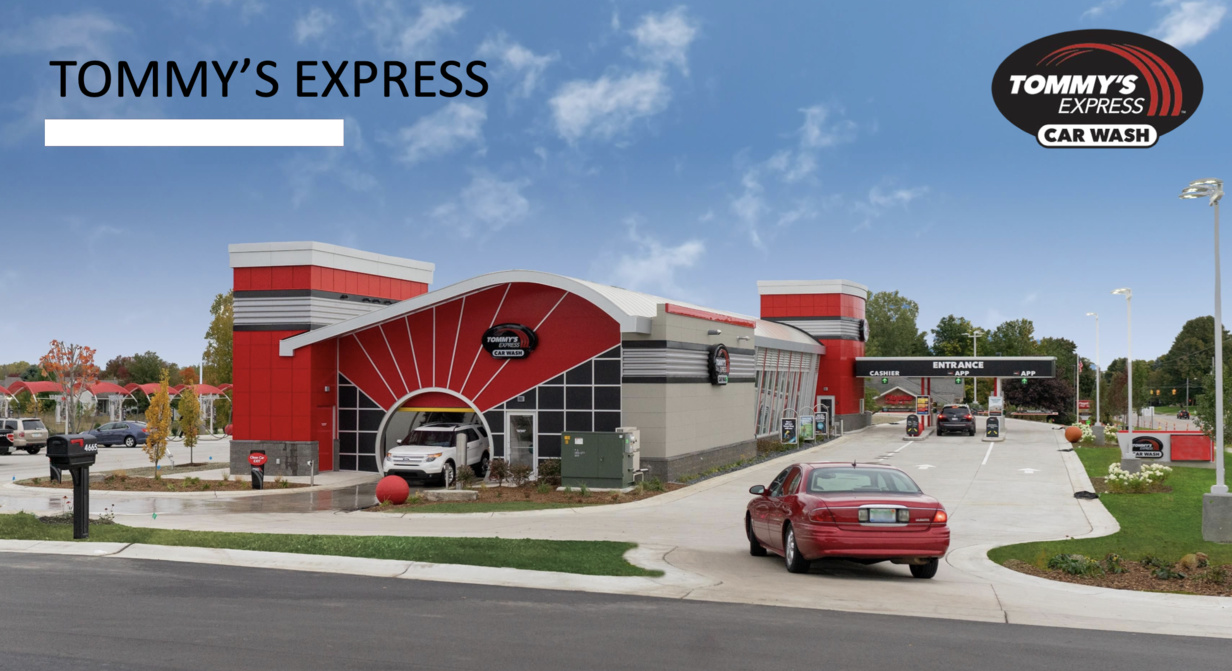
The board will also consider updating zoning standards for auto-centric uses like car washes, drive-throughs, and service/gas stations. Planning commissioners had already been eyeing that topic the last few years, and the city’s recently updated master plan calls for evaluating the criteria and locations of such businesses. However, the topic has become a priority after a proposal came forward for Tommy’s Express Car Wash to build a new location on a prominent property at the corner of East Front and Garfield.
That project, which was reviewed by planning commissioners in February, is an allowed use by right under the current zoning rules. The board delayed approval, citing concerns over frontage requirements and requesting a traffic study be conducted to ensure both pedestrian and driver safety. That study is likely to be completed later this month or early April, at which point the project could return to the board.
Zoning amendments typically take several months to complete, so any changes to the rules would be unlikely to apply to the Tommy’s Express proposal, Winter says. But an update could ensure future projects go through a more rigorous review and give the city more say over their design and location. One likely change would be requiring drive-throughs, car washes, and gas stations to obtain a special land use permit (SLUP). SLUPs add several more approval steps than a use by right, including public hearings at both the planning and city commission levels and a detailed list of standards that projects must meet to be approved.
When a potential new business doesn’t have a drive-through, like a restaurant or personal services company, it could remain a use by right, Winter says. “There is already a precedent for this approach through the zoning ordinance in the C-4 district – where financial services are use by right, but incorporating a drive-through elevates the use to one requiring a SLUP,” he wrote.
The farmers market and auto text amendments would be a head start on a bigger project to overhaul the zoning ordinance as a whole. Planning commissioners will have initial discussions in April on substantive changes they’d like to see in a new zoning code, such as combining or creating new zoning districts, addressing new uses, or changing standards. For example, some planning commissioners have expressed a desire to see setbacks reduced, or to allow more 45-foot buildings to go up to 60 feet given the ballot referendum restrictions that now exist on buildings over 60 feet.
The zoning rewrite has several goals, Winter outlined in a memo to the board. Those include removing inconsistences, aligning zoning standards with the master plan, reducing the overall number of districts to “create a more cohesive development pattern,” and providing “clearer and more easily administered standards for the public and staff.” The zoning ordinance will also be converted into a more “user-friendly document that foregoes the traditional legalese in exchange for more graphics, images, tables, and diagrams,” Winter wrote.
Zoning rewrites are typically an extensive process, taking many months if not one or more years to complete. Winter tells The Ticker that once staff have input from planning commissioners on their desired direction, they’ll work on structuring those changes into an updated document, returning frequently to the board for feedback and revisions. Once a restructured draft is ready, it’ll go through the typical approval process that includes public hearings and resident input before ultimate adoption by both the planning and city commissions.
Pictured: Rendering of a typical Tommy's Express Car Wash
Comment

City Eyes Snow Removal Plans for Winter
Read More >>TC Planning Commission Talks Eighth Street Project, Zoning Changes
Read More >>Dems Square Off In 37th Senate District Primary
Read More >>Community Group Aims To Raise Thousands For Central Grade HVAC
Read More >>



Flapjack & Flannel Festival Off for 2026, Will Return in 2027
Read More >>Garfield Township Tees Up Data Center Moratorium; Incomplete Application Submitted for Project
Read More >>Two Proposals Emerge for City West End Property
Read More >>Peninsula Homeowners vs. Consumers Energy: Long-Running Dispute Heads To MPSC Hearing
Read More >>TIF Ballot Language, Two-Way Streets on City Agenda
Read More >>The 2026 Cherry Crop Report
Read More >>